Nobody expects their bedroom ceiling to start showing water stains, and they certainly don’t expect to find mold growing silently in the garage. But that’s exactly what happened to a family in O’Fallon, Missouri, and it’s a reminder that water damage doesn’t always announce itself with a flood.
The Call That Started Everything
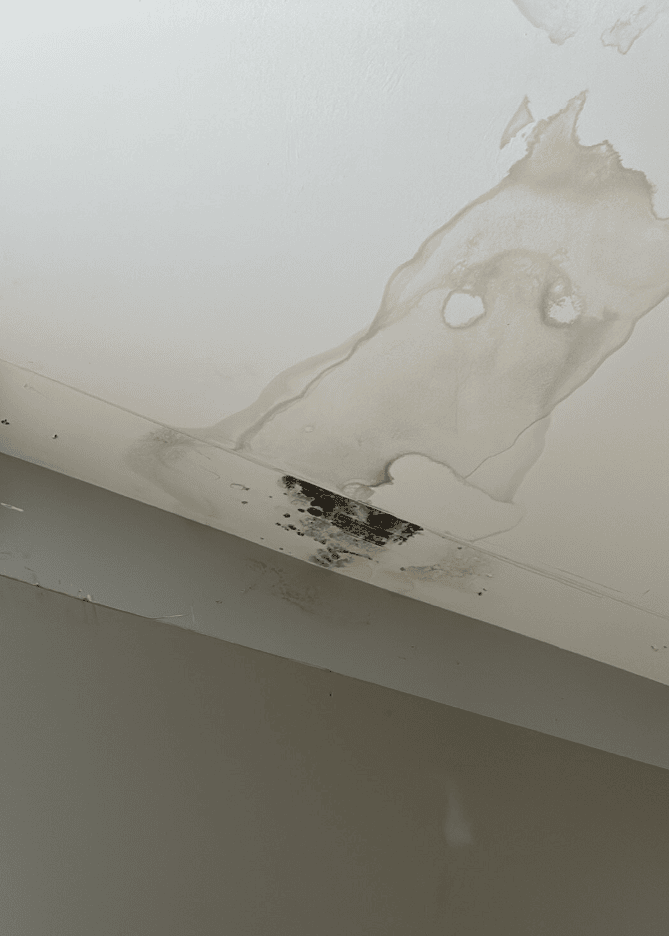
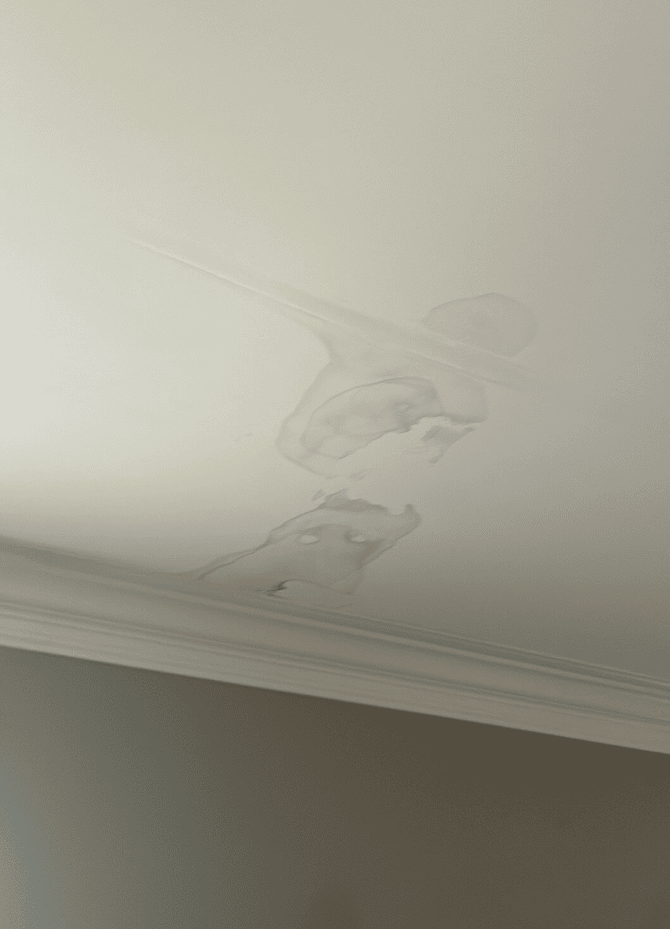
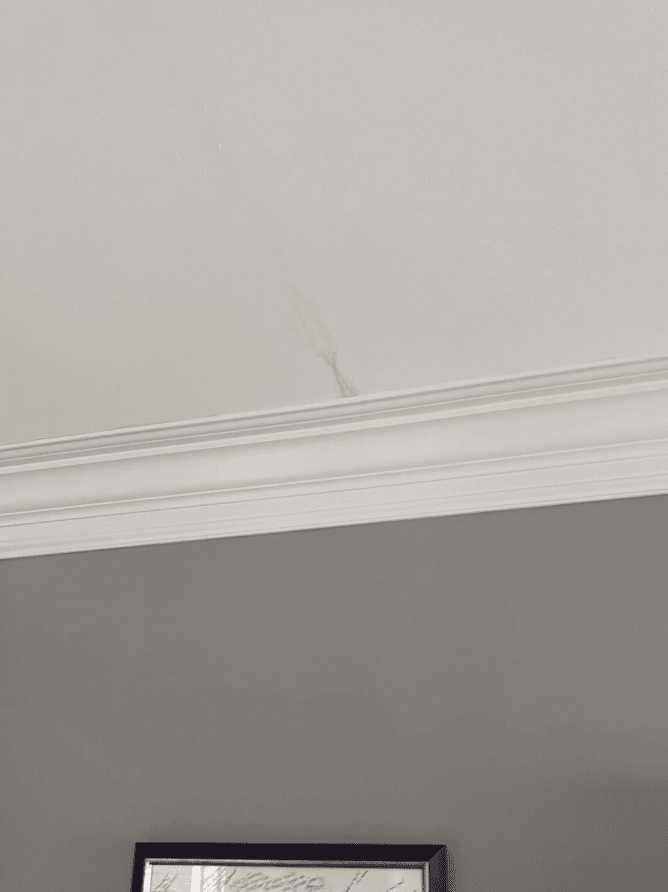
The homeowner reached out after noticing discoloration spreading across their bedroom ceiling. At first, it seemed like a minor cosmetic issue, maybe just an old water stain that never got fixed. But when they took a closer look, they realized the ceiling was actually soft to the touch in some spots, and there was a faint musty smell in the air.
That’s when they called us at True North Restoration of Greater St. Louis West.
What We Found During the Inspection
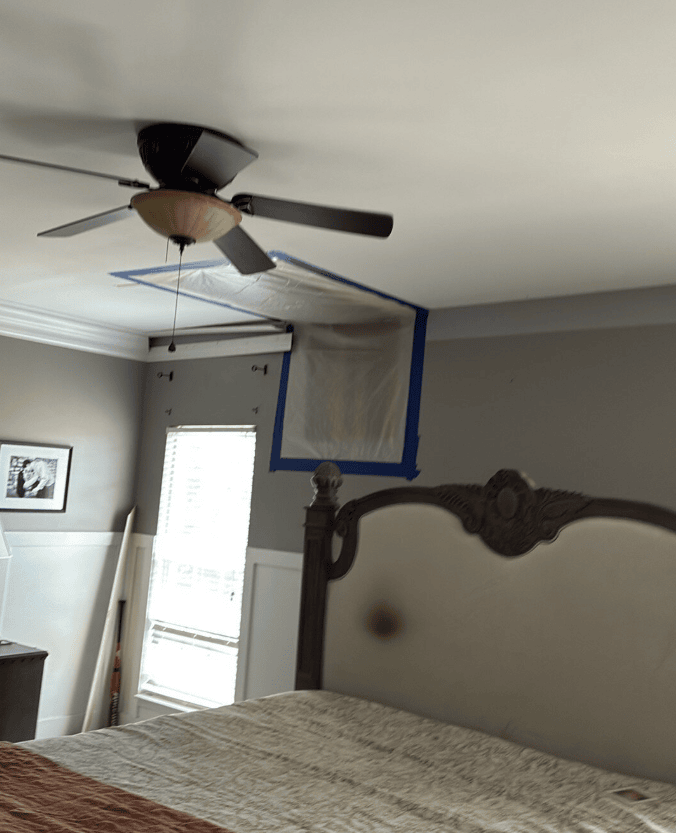
When our IICRC-certified team arrived, we did a thorough walkthrough of the home. The bedroom was the obvious starting point, the ceiling had visible water staining and the paint was beginning to peel away in sections. But water damage
rarely stays in one place.
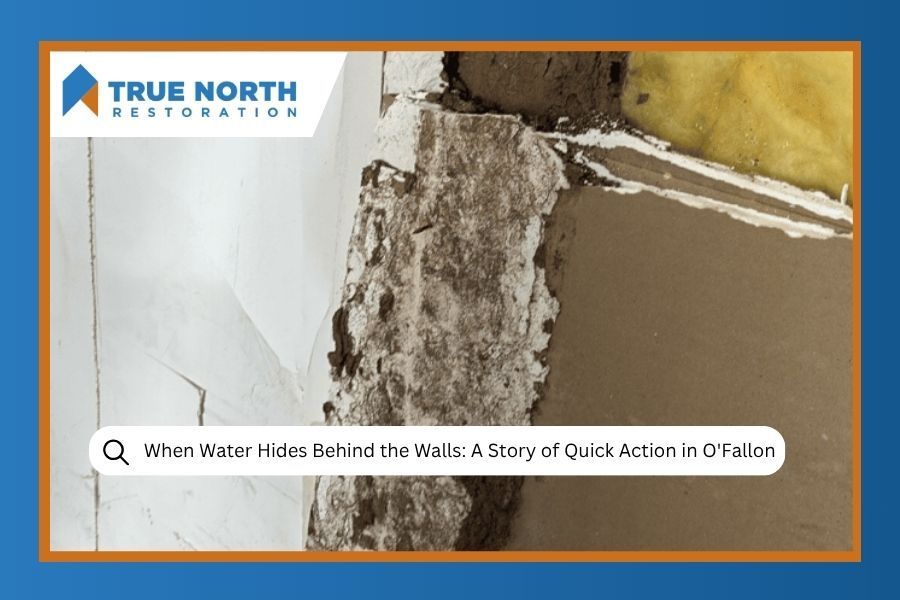
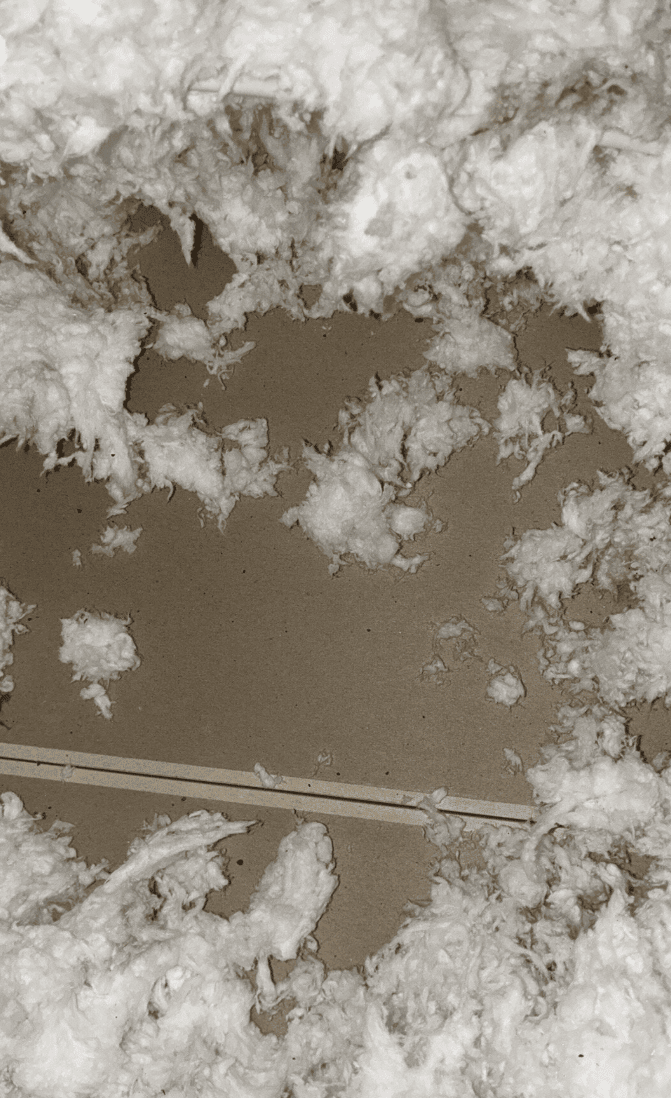
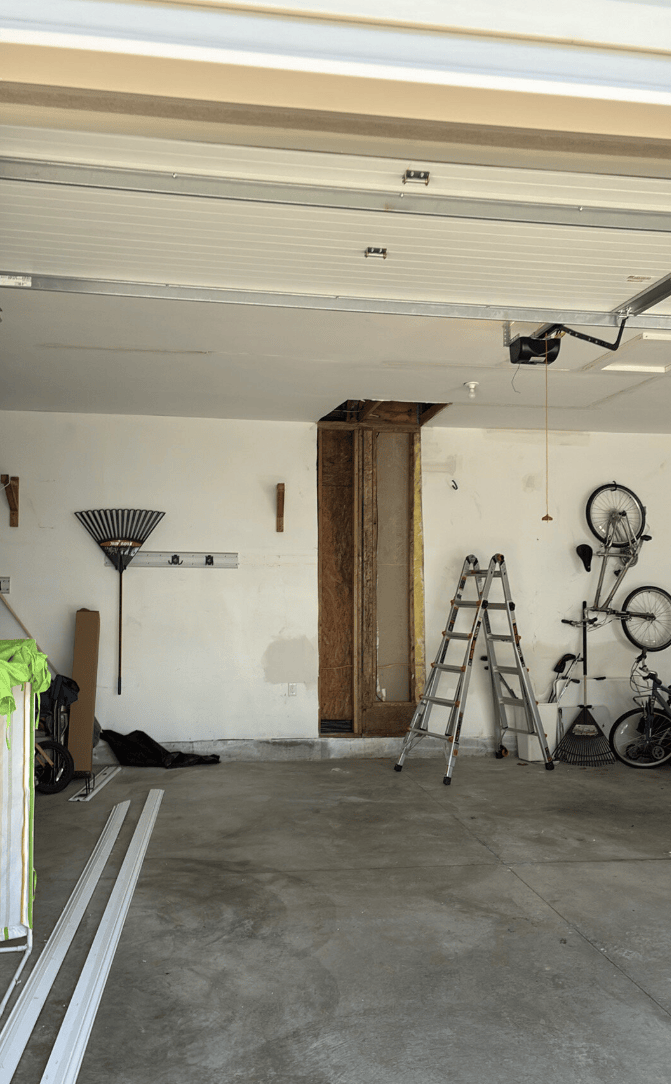
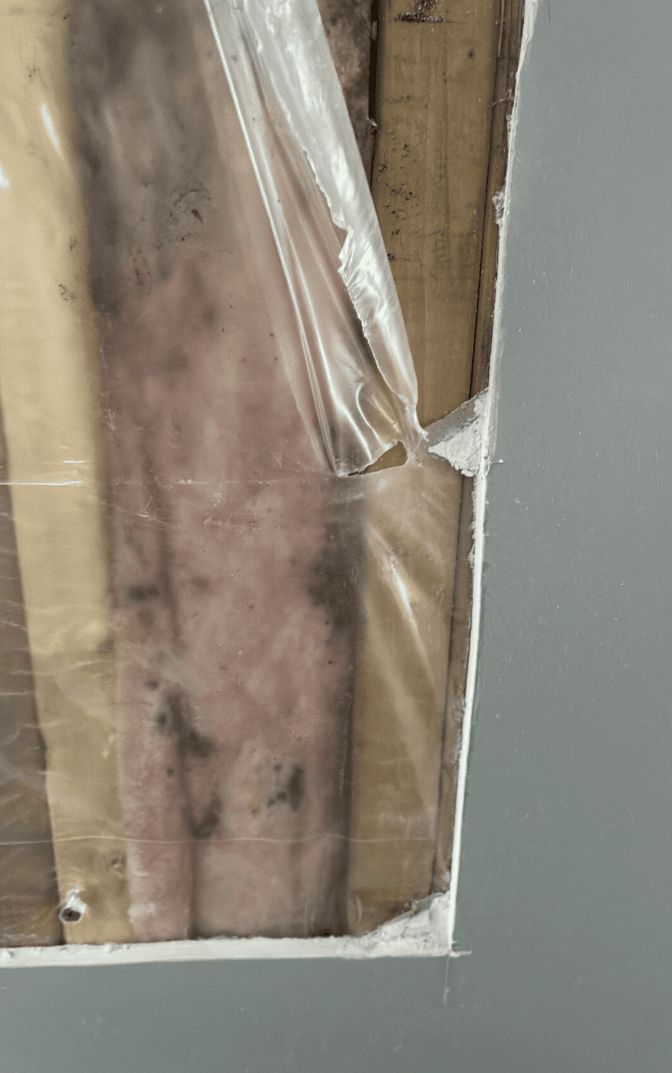
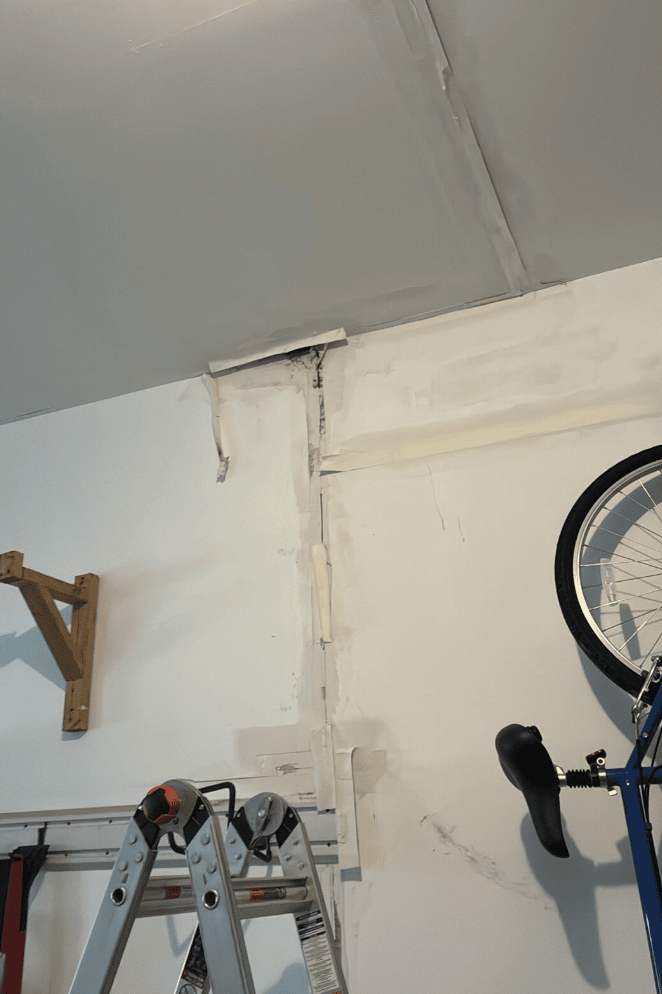
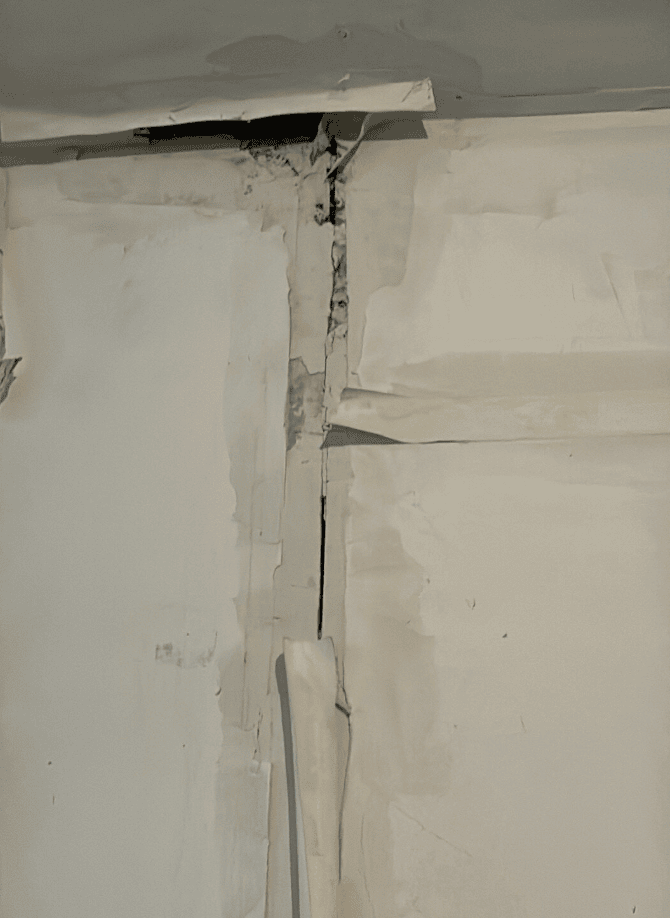
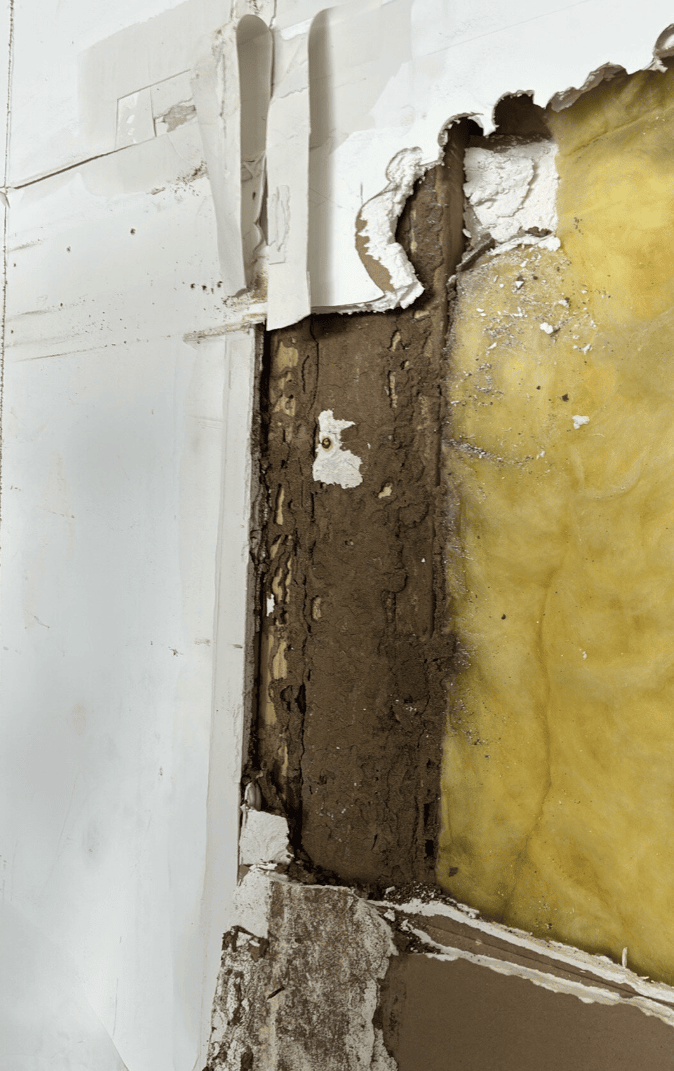
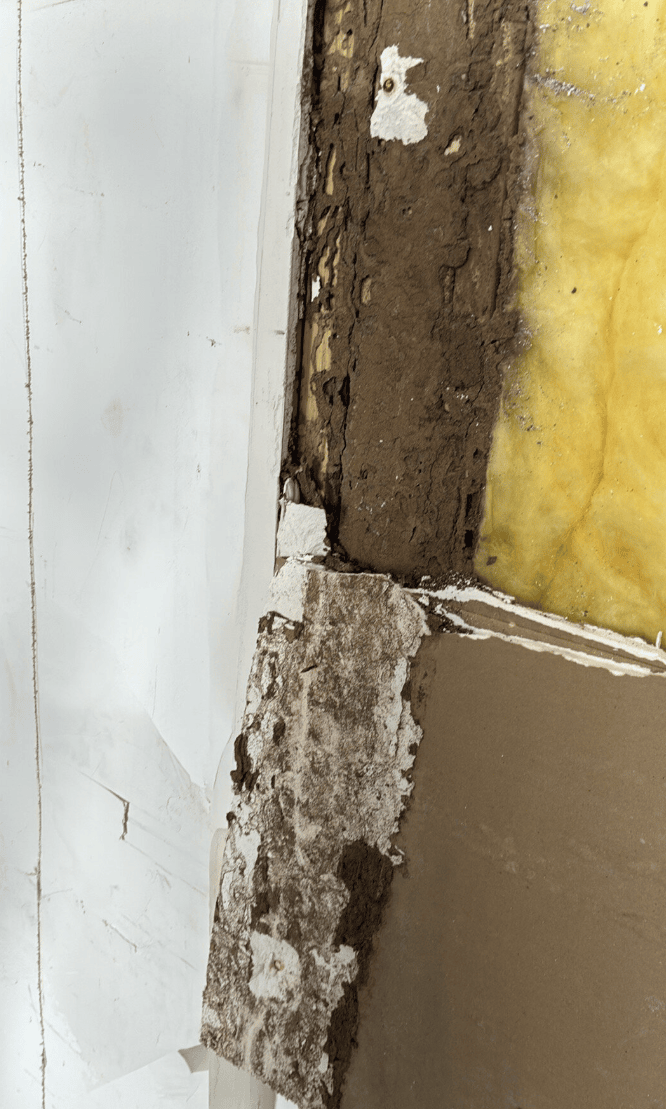
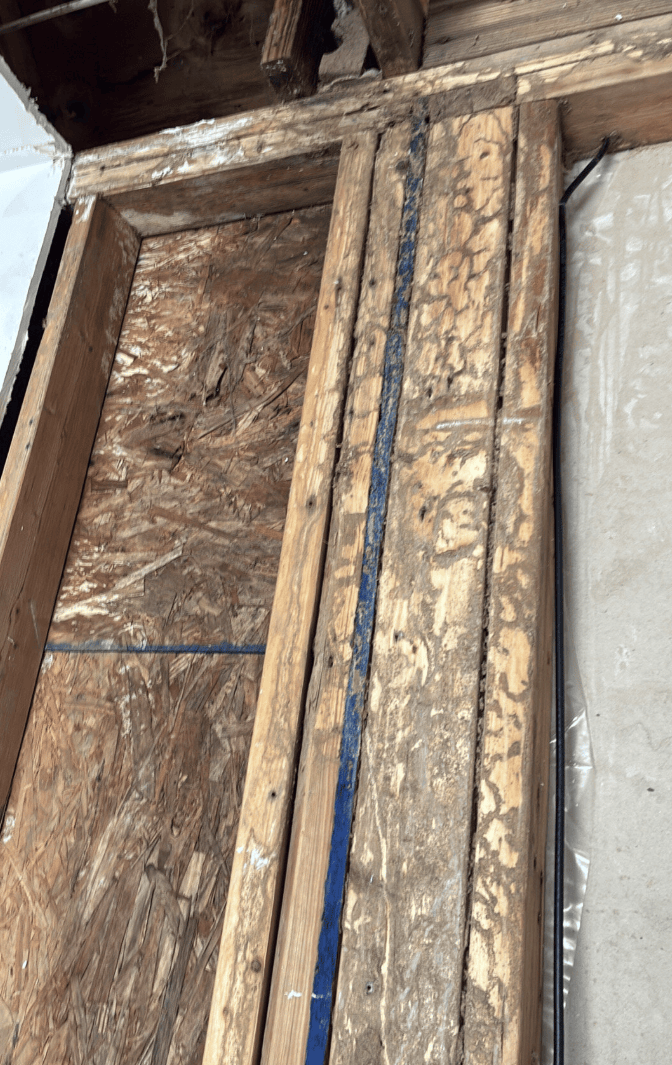
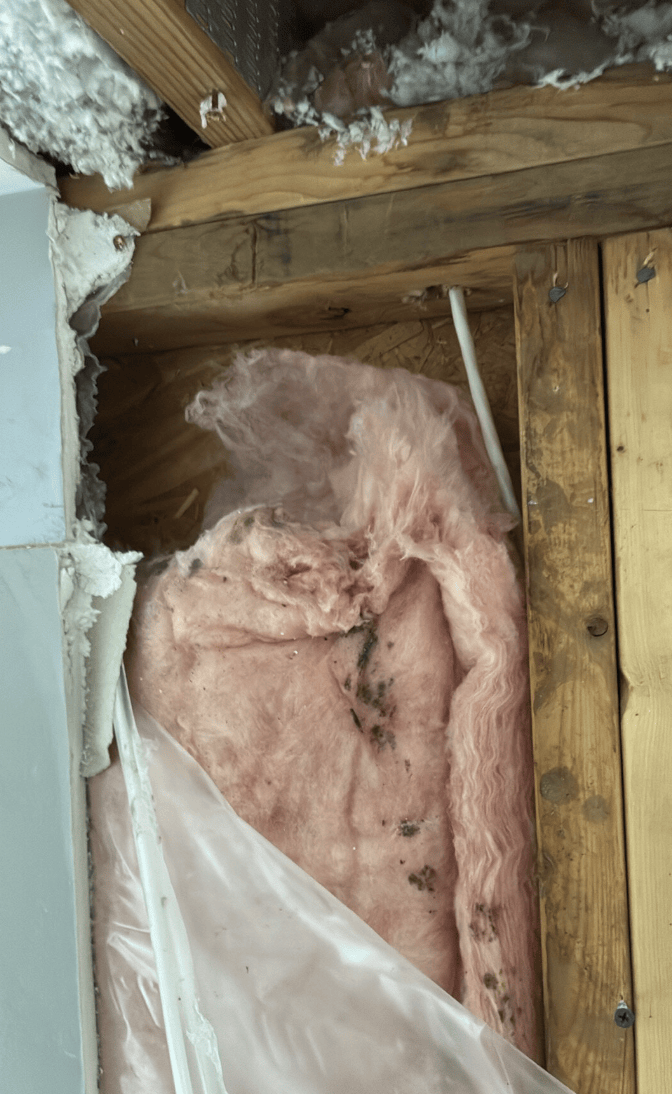
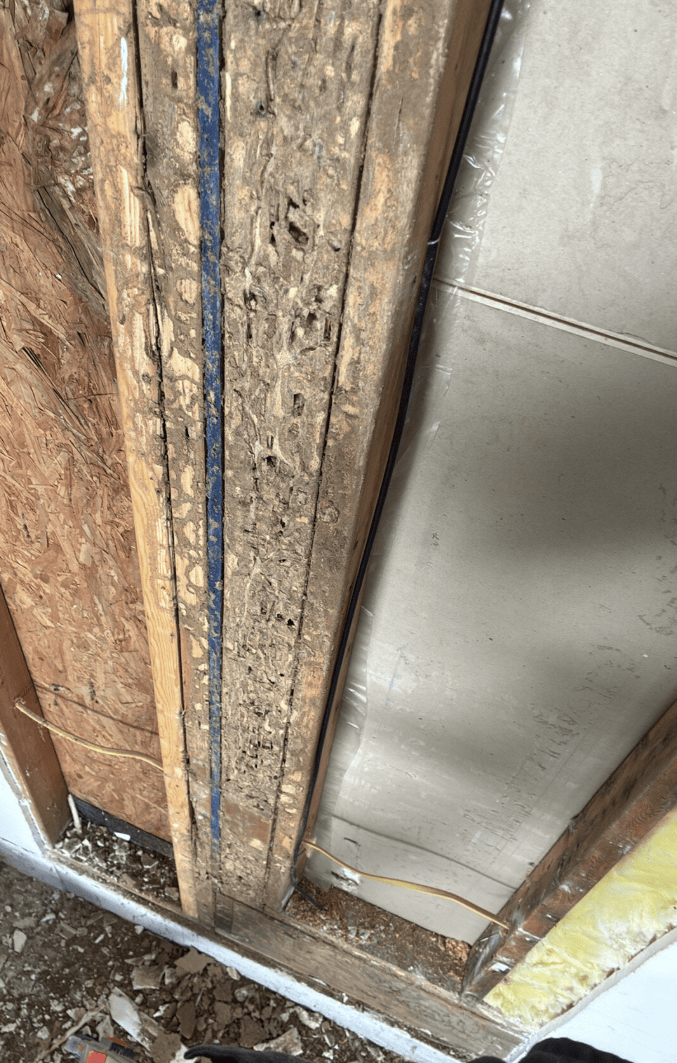
We moved into the attached garage and found something worse. Behind one section of drywall, hidden moisture had created the perfect breeding ground for mold. The insulation was contaminated, the framing showed signs of prolonged exposure, and mold colonies had started spreading along the wall cavity.
Initial Water Damage and Inspection
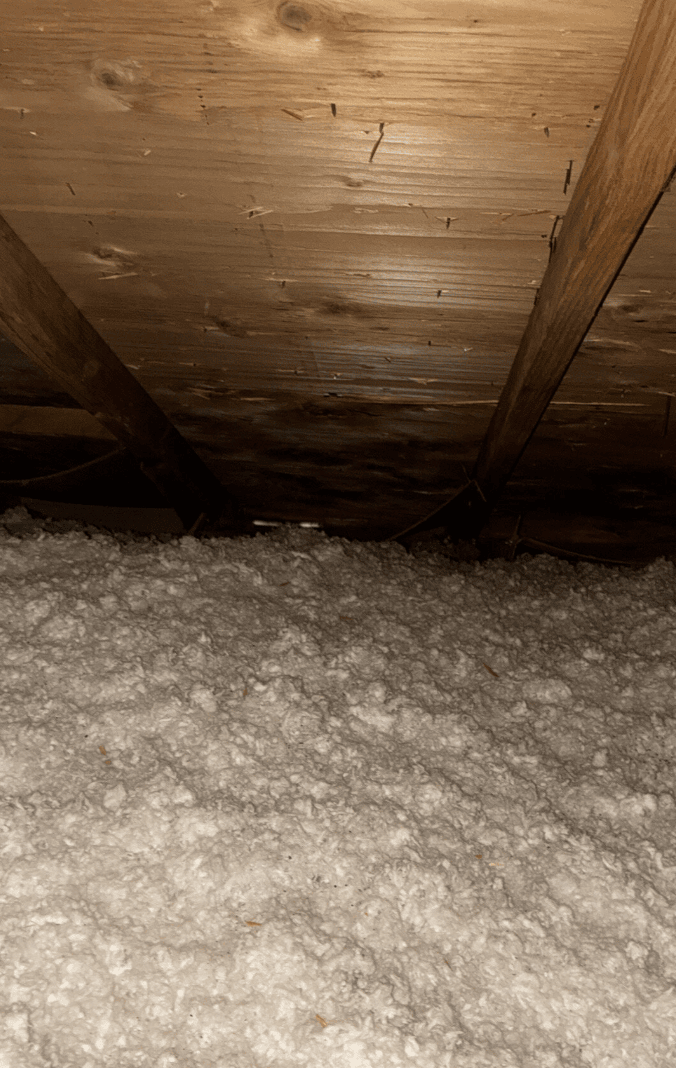
Here’s what happens when water damage goes unnoticed:
moisture seeps into hidden spaces like wall cavities and insulation, and if it stays there long enough, mold takes hold. According to the EPA
, mold can begin growing within 24 to 48 hours of water exposure, which is why catching these problems early makes such a difference.
The good news? This family called us before the problem became catastrophic.
How We Handled the Water Damage and Mold Remediation
Every restoration job is different, but the process always starts the same way: containment, safety, and precision. Here’s how we brought this home back to a clean, safe state.
Setting Up Containment
Before we removed anything, we sealed off the affected areas. We set up plastic containment barriers in both the bedroom and garage to prevent mold spores from drifting into other parts of the house. This step is critical, mold doesn’t just stay in one room if you give it the chance to spread.
We also installed negative air machines with HEPA filters to keep air pressure controlled and to capture airborne particles. Think of it like putting the problem in a bubble so nothing escapes while we work.
Removing Damaged Materials
In the bedroom, we carefully cut out the section of ceiling that showed water damage. The drywall had absorbed too much moisture to salvage, so it had to go. Once that was removed, we inspected the area above to make sure there wasn’t any hidden damage in the attic or roof structure.
The garage was a bigger project. We removed an entire section of drywall where the mold contamination
was concentrated. Behind it, the insulation was saturated and had visible mold growth, so we pulled all of that out as well. It’s not fun work, but it’s necessary to stop mold from coming back later.
Drying and Treating All Surfaces
After removing the damaged materials, we set up industrial air movers and dehumidifiers to dry out everything that remained. Even after the visible water is gone, moisture can linger in wood framing, subfloors, and other porous materials. We monitored moisture levels daily until everything was completely dry.
Once dry, we treated all exposed surfaces with an antimicrobial solution. This kills any remaining mold spores and helps prevent regrowth. We don’t skip this step, it’s what separates a quick fix from a lasting solution.
Insulation Contamination and Removal
Final Cleanup and Inspection
With everything dried and treated, we did a final walkthrough with the homeowner. We HEPA-vacuumed all surfaces, wiped down walls, and made sure the work area was clean and ready for the next phase, whether that’s painting, insulation replacement, or drywall installation.
We also explained what caused the problem in the first place so the homeowner could address the source and avoid a repeat situation. In this case, a small roof leak and poor ventilation
had allowed moisture to build up over time.
What This Family Learned (And What You Should Know Too)
Water damage doesn’t always look dramatic.
There’s no burst pipe, no flooded basement, just a slow, quiet leak that hides until it becomes a much bigger issue. That’s why small signs matter:
- Water stains on ceilings or walls
- Peeling or bubbling paint
- Musty odors that won’t go away
- Soft or spongy drywall
- Visible mold spots, even if they’re small
If you notice any of these, don’t wait. The longer moisture sits, the worse the damage gets, and the more expensive the fix becomes.
The Results: A Home Ready for Repairs
By the time we finished, both the bedroom and garage were clean, dry, and mold-free. The damaged ceiling section had been removed, the contaminated insulation was gone, and all surfaces had been properly treated and dried.
The homeowner was relieved. They’d caught the problem before it spread throughout the house, and now they could move forward with repairs knowing the hidden damage was taken care of.
Key Takeaways from This Job:
- Hidden moisture can cause serious damage over time
- Mold remediation requires proper containment and safety protocols
- Drying isn’t enough, treatment is essential to prevent regrowth
- Quick action saves time, money, and stress
When Your Home Needs Help, We’re Ready
At True North Restoration of Greater St. Louis West, we’ve helped countless families in O’Fallon, St. Charles County, and West County recover from water damage and mold issues. Whether it’s a small leak or a major problem, our IICRC-certified team responds quickly with the right tools and expertise.
24/7 Emergency Response
Water damage doesn’t wait for business hours, and neither do we. Call anytime, day or night.
45-Minute Response Time
We guarantee to be at your door within 45 minutes of your call in our service area.
IICRC Certified Professionals
Our team is trained and certified in water, mold, and fire restoration techniques.
When your world heads south, go True North.
How to Prevent Ice Dams and Winter Water Damage

Winter Pipe Prevention Checklist for St. Charles County Homeowners
Seasonal Home Maintenance to Prevent Water Damage

From Mess to Success: How We Restored a Saint Charles Home After Devastating Sewage Backup
How to Spot Water Damage During Home Buying in St. Charles County
Signs Your Basement Has Hidden Water Damage
After the Storm: Your Complete Guide to Tornado Damage Cleanup in St. Charles County & West County
Storm Drain Backup Prevention for West County Neighborhoods

7 Emergency Steps You Can Take to Stop Water Damage in Your Chesterfield Home