Jump to Section
- What Exactly Is an Ice Dam?
- Why Ice Dams Love St. Charles County Homes
- Signs You Might Have an Ice Dam Problem
- How to Prevent Ice Dams Before They Start
- What to Do If You Already Have an Ice Dam
If you’ve lived through a few St. Charles County winters, you know the drill. The temperatures drop, the snow piles up, and just when you think you’re in the clear, you notice water dripping from your ceiling or creeping down your walls. Ice dams are sneaky troublemakers, and they can turn a peaceful winter evening into a full-blown emergency. The good news? You can take steps now to prevent them before they cause serious water damage to your home.
At True North Restoration of Greater St. Louis West, we’ve seen what ice dams can do when they’re left unchecked, and trust us, it’s not pretty. But here’s the thing: most ice dam damage is preventable with a little knowledge and some proactive maintenance. Let’s walk through what causes ice dams, how to spot the warning signs, and what you can do to keep your home safe this winter.
What Exactly Is an Ice Dam Anyway?
Okay, so imagine this. Snow is sitting on your roof, minding its own business. Heat from your attic starts to melt that snow, and the water trickles down toward your gutters. Sounds fine, right? Well, here’s where it gets tricky. When that melted water reaches the colder edge of your roof (where there’s no heat from the attic below), it refreezes. Over time, it builds up into a ridge of ice along the edge of your roof. That’s your ice dam.
Now, the water behind that ice dam has nowhere to go. It starts pooling, and eventually, it finds its way under your shingles and into your home. Before you know it, you’re dealing with water stains on your ceiling
, soggy insulation, and potentially even mold growth.
Why Ice Dams Love St. Charles County Homes
Our area gets hit with the perfect storm for ice dam formation. We get snow, we get freezing temps, and then we get those weird warm-ish days that make everything start to melt. Add in the fact that most homes around here have attics and basements (hello, extra heat sources), and you’ve got a recipe for ice dam trouble.
Older homes with less insulation are especially vulnerable, but honestly, any home can develop ice dams if the conditions are right. It all comes down to heat loss and roof temperature.
Signs You Might Have an Ice Dam Problem
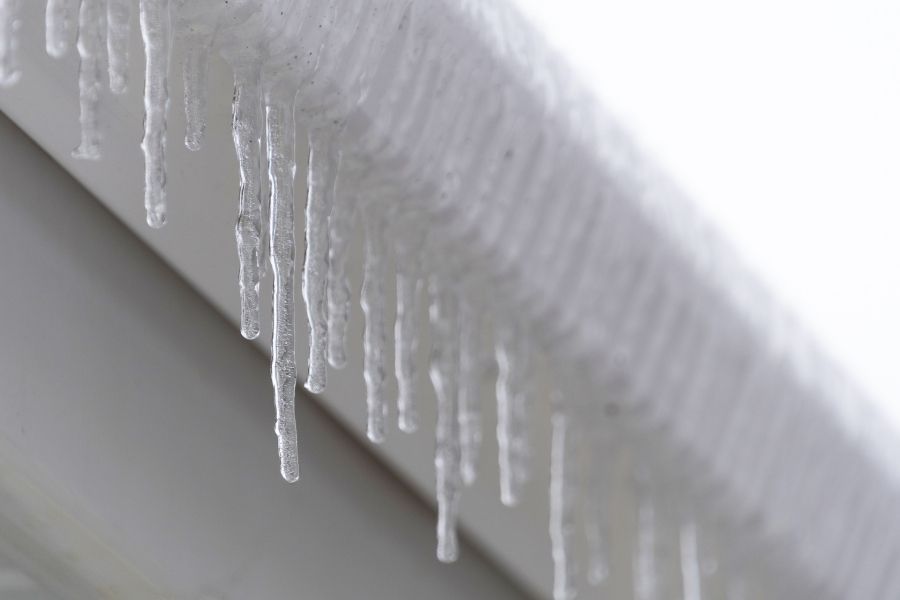
Icicles on your gutters might look festive, but they’re often the first warning sign of ice dam formation.
The earlier you catch an ice dam, the better. Here’s what to watch for:
- Icicles hanging from your gutters.Yeah, they look pretty, but they’re often a red flag that water is refreezing at your roof’s edge.
- Water stains or moisture on your ceilings or walls.If you’re seeing discoloration or dampness, water is already getting in.
- Ice buildup along the edge of your roof.If you can see a thick ridge of ice forming, that’s your dam in action.
- Sagging gutters.All that ice is heavy. If your gutters are pulling away from the house, they’re struggling under the weight.
- Peeling paint or water damage in your attic.Sometimes the damage shows up in places you don’t check often.
If you’re noticing any of these signs, it’s worth taking a closer look (safely, from the ground) or calling in a professional
to assess the situation.
| Warning Sign | What It Means |
|---|---|
| Large icicles on gutters |
Water is refreezing at roof edge |
| Ceiling water stains |
Water has breached your roof |
| Ice ridge at roof edge |
Active ice dam forming |
| Sagging gutters |
Heavy ice weight causing damage |
| Attic moisture or frost |
Heat loss or ventilation problem |
How to Prevent Ice Dams Before They Start
Prevention is way easier (and cheaper) than dealing with the aftermath. Here’s what you can do to keep ice dams from forming in the first place.
Keep Your Attic Cold
This might sound backward, but it’s key. Your attic should be close to the same temperature as the air outside. When your attic is too warm, it melts the snow on your roof, which is what starts the whole ice dam cycle.
How to Keep Your Attic Cool:
- Insulate your attic floor properly.This keeps the heat from your living spaces from rising into the attic. TheEPA recommendsspecific R-values for insulation depending on your climate zone, so check what’s right for the St. Charles area.
- Seal air leaks.Look for gaps around light fixtures, pipes, chimneys, and attic hatches. Seal them up with caulk or spray foam.
- Make sure your attic is ventilated.Soffit vents at the eaves and ridge vents at the peak allow cold air to flow through and keep things balanced. TheDepartment of Energy offers guidanceon proper attic ventilation ratios.
Already Dealing With Winter Water Damage?
We’re here 24/7 with a 45-minute response time. Don’t wait for the damage to get worse.
Clear Your Gutters and Downspouts
Clogged gutters can trap water and ice, making ice dams worse. Before the snow starts piling up, make sure your gutters are clear of leaves, sticks, and debris. While you’re at it, check that your downspouts are directing water away from your foundation. Nobody wants a flooded basement on top of an ice dam situation.
Use a Roof Rake After Heavy Snow
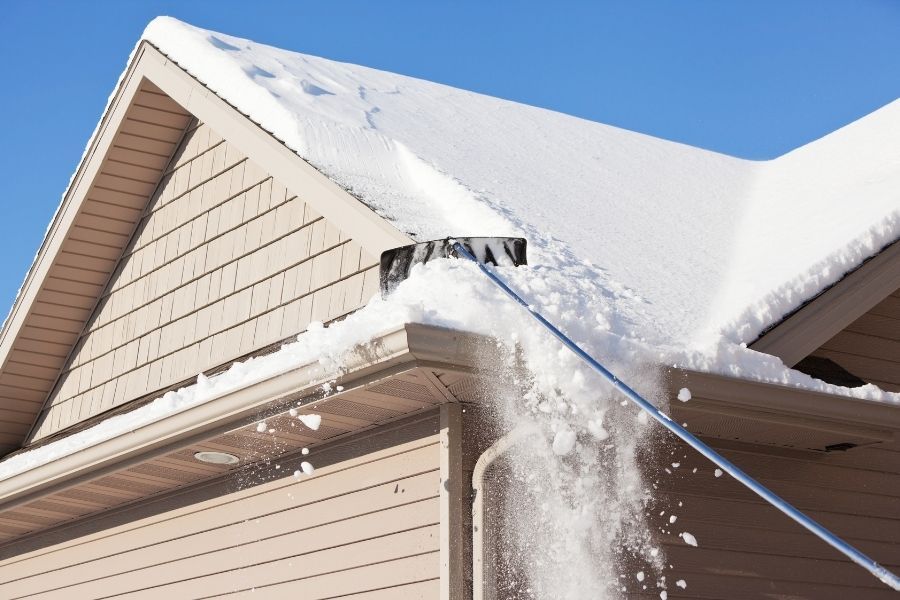
Using a roof rake after heavy snowfall removes the source material before ice dams can form. Always do this safely from the ground.
After a big snowfall, use a roof rake (from the ground, please) to carefully remove snow from the lower few feet of your roof. This eliminates the source material for melting and refreezing. Just be gentle. You don’t want to damage your shingles in the process.
Consider Heat Cables for High-Risk Areas
If your home is prone to ice dams, heat cables installed along the roof’s edge can help keep that area above freezing. They’re not a permanent fix, but they can be a helpful Band-Aid while you work on more permanent solutions like better insulation.
Your Winter Ice Dam Prevention Checklist
- ✓ Inspect and boost attic insulation if needed
- ✓ Seal air leaks in the attic
- ✓ Check attic ventilation (soffit and ridge vents)
- ✓ Clean gutters and downspouts before the first snow
- ✓ Keep a roof rake handy for after big storms
- ✓ Monitor your roof and attic for early warning signs
- ✓ Review yourwinter pipe prevention stepswhile you’re at it
What to Do If You Already Have an Ice Dam
Sometimes, despite your best efforts, an ice dam forms anyway. If that happens, don’t panic. Here’s what to do:
- Don’t get on your roof.Ice-covered roofs are slippery and dangerous. Leave the roof work to professionals.
- Remove interior water damage sources if safe.If water is actively leaking inside, move furniture and belongings out of harm’s way.
- Call a professional.Our team at True North Restoration of Greater St. Louis West can assess the damage, safely remove the ice dam, and handle anywater damage restorationthat needs to happen.
- Document everything for insurance.Take photos of the ice dam, any interior damage, and keep records of repair costs.
We’ve helped plenty of Chesterfield and West County homeowners recover from ice dam damage, including situations where hidden moisture led to bigger problems down the line. Speaking of which, if you’re worried about hidden water damage in your basement
or attic, it’s worth getting a professional inspection.
A Little Prevention Goes a Long Way
Look, we get it. Winter maintenance isn’t exactly fun, especially when it’s freezing outside and you’d rather be inside with a cup of hot chocolate. But taking an hour or two now to check your insulation, clear your gutters, and prep your roof can save you thousands of dollars and a major headache later.
Ice dams are one of those things that seem harmless until they’re not. The key is staying ahead of them. Keep your attic cold, your gutters clear, and your eyes open for warning signs. And if you do end up with an ice dam or winter water damage? We’re here to help, day or night, with our 24/7 emergency services.
When your world heads south, go True North. Stay warm out there, and take care of that roof.
Frequently Asked Questions About Ice Dams
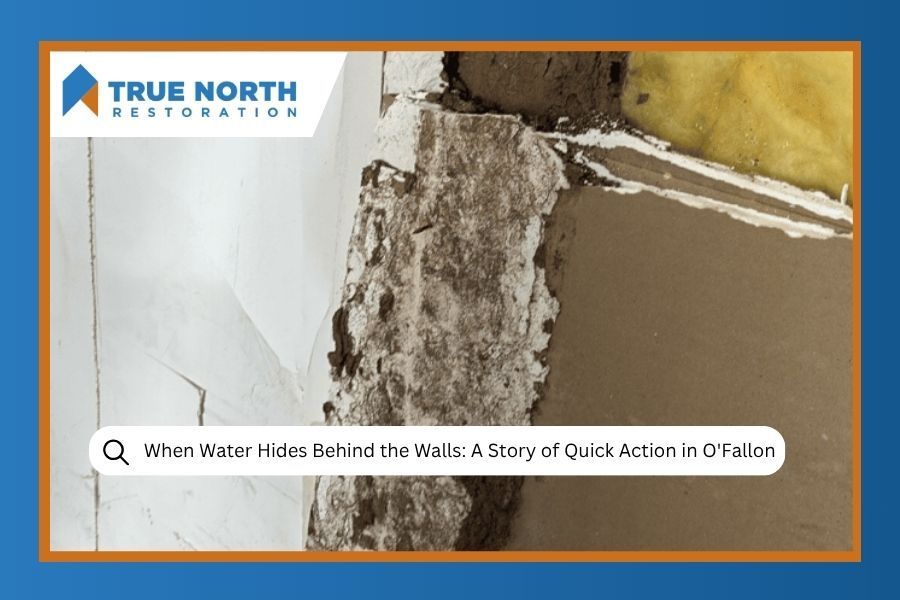
When Water Hides Behind the Walls: A Story of Quick Action in O’Fallon

Winter Pipe Prevention Checklist for St. Charles County Homeowners
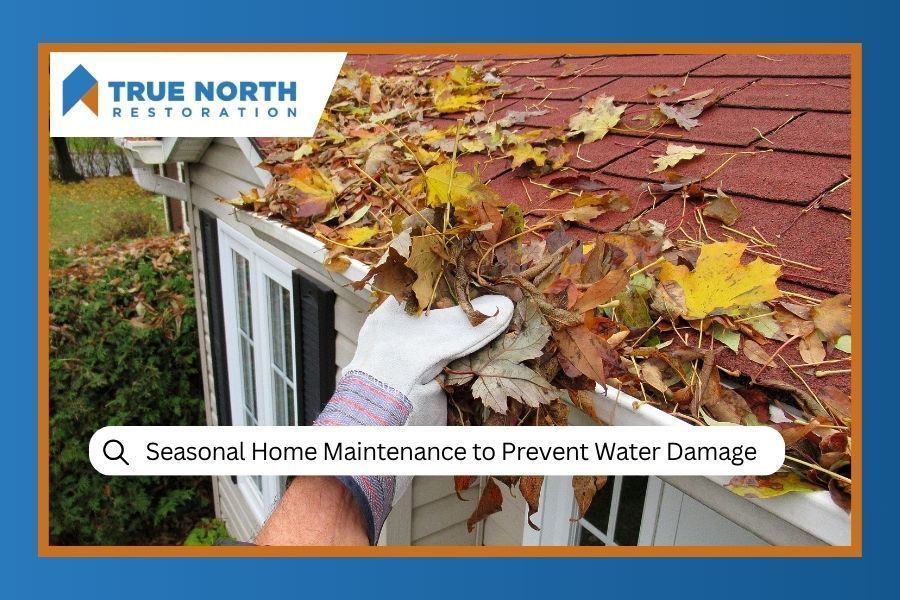
Seasonal Home Maintenance to Prevent Water Damage

From Mess to Success: How We Restored a Saint Charles Home After Devastating Sewage Backup

How to Spot Water Damage During Home Buying in St. Charles County
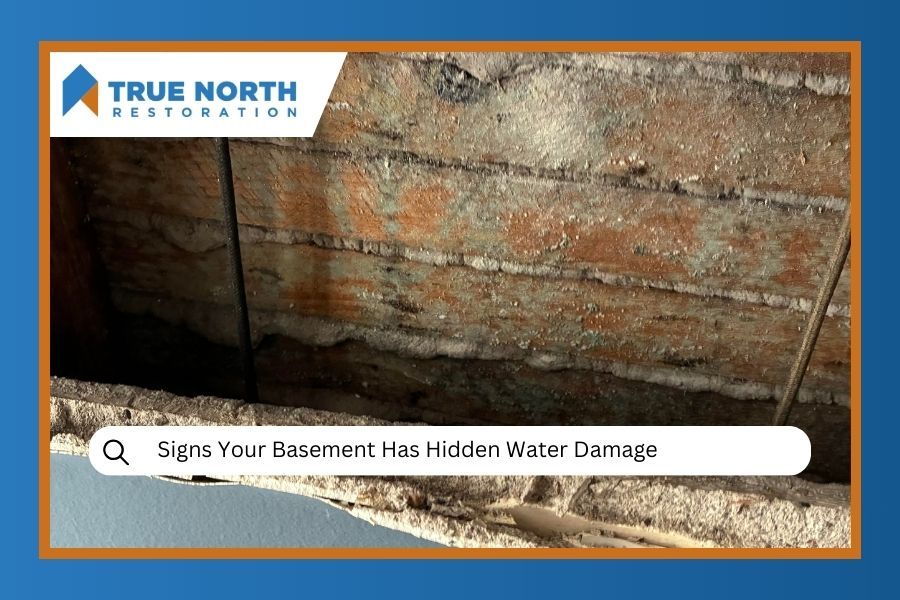
Signs Your Basement Has Hidden Water Damage
After the Storm: Your Complete Guide to Tornado Damage Cleanup in St. Charles County & West County
Storm Drain Backup Prevention for West County Neighborhoods

7 Emergency Steps You Can Take to Stop Water Damage in Your Chesterfield Home