Jump to Section
- Why Fall Maintenance Matters in Our Area
- Clean Your Gutters and Downspouts
- Inspect Your Roof and Attic
- Seal Windows and Doors
- Test Your Sump Pump
- Prepare Your Plumbing for Cold Weather
- Maintain Proper Drainage Around Your Foundation
- Check Your Water Heater
- Fall Home Maintenance Checklist
- When to Call the Pros
- The Bottom Line
- Frequently Asked Questions
- Why Fall Maintenance Matters
- Clean Your Gutters and Downspouts
- Inspect Your Roof and Attic
- Seal Windows and Doors
- Test Your Sump Pump
- Prepare Your Plumbing for Cold Weather
- Maintain Proper Drainage
- Check Your Water Heater
- Fall Maintenance Checklist
- When to Call the Pros
Fall in St. Charles County and West County means cooler temps, football season, and that one weekend where everyone suddenly remembers their gutters exist. But here’s the thing: a little seasonal prep now can save you from dealing with water damage restoration
later. And trust us at True North Restoration of Greater St. Louis West, we’ve seen what happens when homes aren’t ready for Missouri’s unpredictable weather.
This isn’t about being paranoid or spending your entire Saturday with a clipboard. It’s about being smart. Our basements, our weather patterns, and our aging infrastructure all conspire to make water damage more common than you’d think.
Why Fall Maintenance Matters in Our Area
Missouri doesn’t ease into winter. One day you’re wearing shorts, the next you’re scraping ice off your windshield. That rapid temperature swing is rough on your home’s plumbing and exterior. Add in the fact that most homes around here have basements and sump pumps, and you’ve got a recipe for potential water issues if you’re not paying attention.
Quick Fall Maintenance Impact
Clean Your Gutters and Downspouts
Let’s start with the obvious one that everyone avoids: gutters. Clogged gutters are one of the top causes of water damage
we see.
All those beautiful fall leaves? They love to set up camp in your gutters and create little dams that send water cascading right down your foundation. Clear out all debris, check for sagging sections, and make sure gutters slope toward downspouts. Then flush the system with a garden hose to test drainage.
Your downspouts should direct water at least 5 to 6 feet away from your foundation. If they’re dumping water right next to your house, you’re basically inviting water into your basement. Downspout extensions are cheap and easy to install.
Inspect Your Roof and Attic
Your roof is your home’s first line of defense against the elements. Fall is the perfect time to give it a once-over before winter weather arrives.
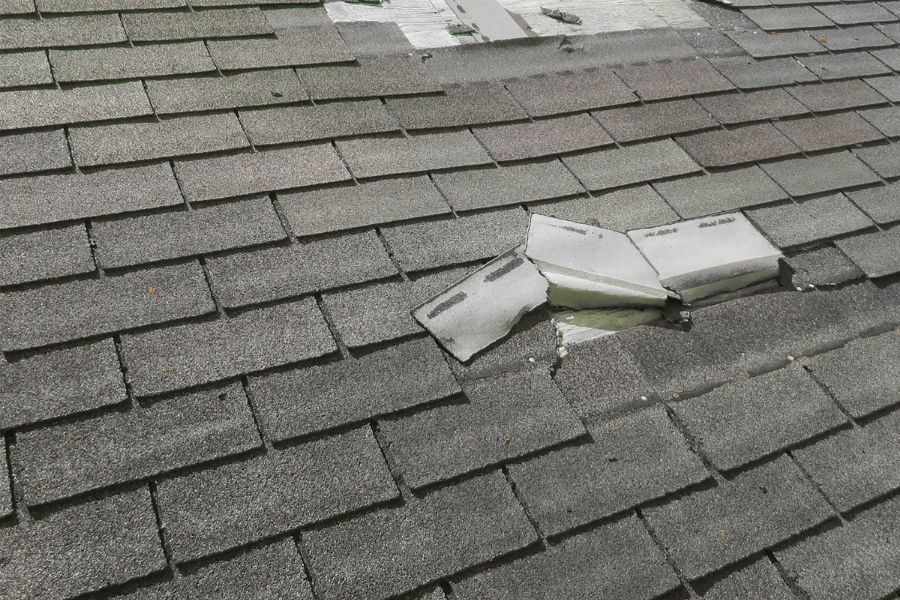
Regular roof inspections help catch small problems before they become major water damage issues.
Check for missing, cracked, or curling shingles, damaged flashing around chimneys and vents, and water stains on your attic ceiling. If you spot signs of water damage
in your attic like dark staining or soft spots, don’t wait. Small leaks become big problems fast, especially once freezing temperatures arrive.
Seal Windows and Doors
Gaps around windows and doors aren’t just energy vampires. They’re also entry points for water during heavy rains and snow melts. Grab some weatherstripping and caulk, and spend an afternoon sealing up those gaps. The EPA recommends proper sealing
as a key step in preventing moisture problems in homes.
Test Your Sump Pump
If you have a basement in our area, you probably have a sump pump. And if you have a sump pump, you need to make sure it’s working before you actually need it.
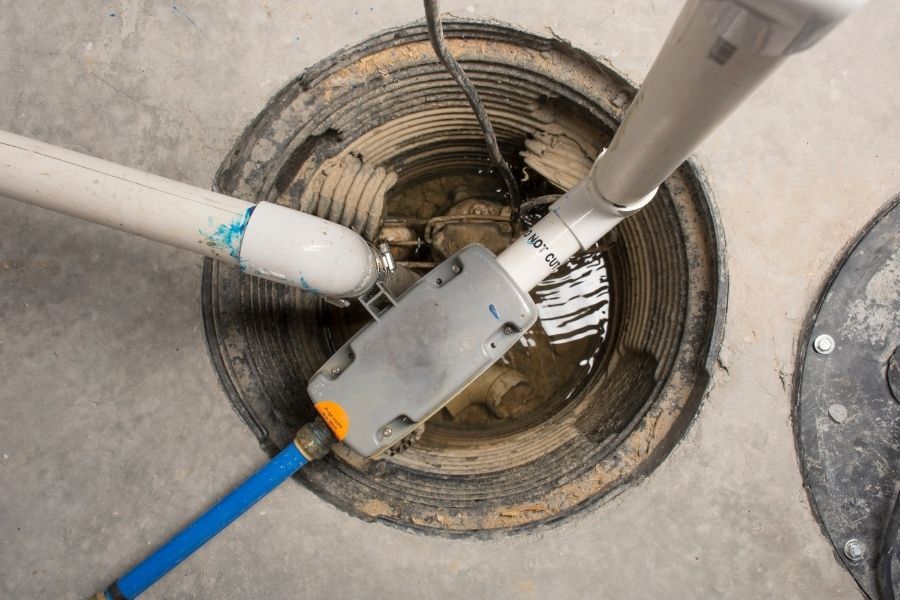
Testing your sump pump twice a year can prevent costly basement flooding emergencies.
Pour a few gallons of water into the sump pit and watch to see if the pump activates. Make sure it’s pumping water out and away from your foundation, and check the discharge line to ensure it’s not frozen or clogged.
Sump pump failures are no joke. We’ve seen basement cleanup jobs
that could have been prevented with a simple fall test. If your pump is older or making weird noises, consider replacing it before winter hits.
Prepare Your Plumbing for Cold Weather
Frozen pipes are one of the most common causes of water damage during Missouri winters. A little prep now saves a lot of headache later.
Insulate Exposed Pipes
Any pipes in unheated areas like crawl spaces, garages, or exterior walls should be insulated. Foam pipe insulation is cheap and easy to install. Just cut to length and wrap it around your pipes.
Disconnect Outdoor Hoses
Drain and disconnect garden hoses, and shut off water to outdoor spigots if possible. Water left in hoses or pipes can freeze, expand, and crack the pipe. Then when things thaw, you’ve got a leak.
Know Your Main Shut-Off Valve
In an emergency, you need to know how to turn off your home’s water supply fast. Make sure everyone in your household knows where the main water shut-off valve is located and how to use it.
Maintain Proper Drainage Around Your Foundation
Water should flow away from your house, not toward it. Walk around your property after a rain and watch where water goes. The ground around your foundation should slope away from your house at about 6 inches over 10 feet. If you’ve got low spots where water pools near your foundation, add some soil to create proper drainage.
If you have basement window wells, make sure they’re clear of debris and have proper drainage. Window wells can become mini swimming pools if they’re not maintained.
Check Your Water Heater
Water heaters don’t last forever. If yours is getting up there in age (10+ years), fall is a good time to give it some attention. Watch for rust-colored water, strange noises, water pooling around the base, or age over 10 years. A water heater failure can dump 40 to 50 gallons of water into your basement in minutes.
Fall Home Maintenance Checklist
Here’s a quick reference guide you can print out or save:
| Task Category | Maintenance Tasks | Priority |
|---|---|---|
| Exterior | • Clean gutters and downspouts • Extend downspouts away from foundation • Inspect roof and repair damaged shingles • Check attic for leaks or moisture • Seal gaps around windows and doors • Grade yard away from foundation • Clear window wells and drain tiles | High |
| Interior | • Test sump pump operation • Inspect water heater for signs of failure • Insulate exposed pipes in unheated areas • Disconnect outdoor hoses • Locate main water shut-off valve | High |
| Optional | • Install water leak detectors • Schedule professional mold inspection if you’ve had past issues • Consider battery backup for sump pump | Medium |
When to Call the Pros
Some tasks are best left to professionals, especially if you’re dealing with existing water damage or suspect you might have mold issues
lurking somewhere.
At True North Restoration of Greater St. Louis West, we’re IICRC certified in water, mold, and fire restoration. We’re locally owned, family operated, and we actually care about helping our neighbors in Chesterfield and West County protect their homes. If you’re not sure whether something is a DIY job or needs professional attention, give us a call at (314) 557-3990. We’re here 24/7.
Dealing with Water Damage?
Our IICRC-certified team is ready to help 24/7 with a 45-minute response guarantee.
Serving Chesterfield, St. Charles County, and West County
The Bottom Line
Seasonal home maintenance isn’t glamorous, but it’s a lot cheaper and less stressful than dealing with water damage. A few hours this fall can save you thousands of dollars and countless headaches down the road.
Missouri weather is unpredictable. Your home maintenance routine doesn’t have to be. Tackle these tasks now, and you can relax when winter decides to show up overnight. And if you do run into water trouble despite your best efforts? We’re just a phone call away with our 45-minute response time.
When your world heads south, go True North.
Frequently Asked Questions
How often should I test my sump pump?
Test your sump pump at least twice a year, ideally in spring and fall before heavy rain seasons. Pour water into the pit to ensure it activates properly and pumps water away from your foundation. If it’s been a few months since your last test or you’re heading into storm season, go ahead and test it again.
What’s the most important fall maintenance task to prevent water damage in Chesterfield homes?
Honestly, it’s a tie between cleaning gutters and testing your sump pump. Both are directly responsible for keeping water away from your foundation. Clogged gutters cause water to overflow near your foundation, while a failed sump pump can’t remove water that’s already collected. Do both, and you’re way ahead of most homeowners.
Can I winterize my plumbing myself or should I hire a plumber?
Basic winterization like insulating exposed pipes, disconnecting hoses, and draining outdoor faucets is totally DIY-friendly. However, if you need to blow out your sprinkler system or you’re dealing with complex plumbing in crawl spaces, calling a plumber is smart. When in doubt, a $100 service call beats a water damage claim.
How do I know if my water heater is about to fail?
Watch for rust-colored water, strange noises (especially rumbling or popping), moisture or small puddles around the base, and consider the age. Most water heaters last 8 to 12 years. If yours is in that range and showing any warning signs, have a plumber take a look before you’re dealing with an emergency replacement and water cleanup.
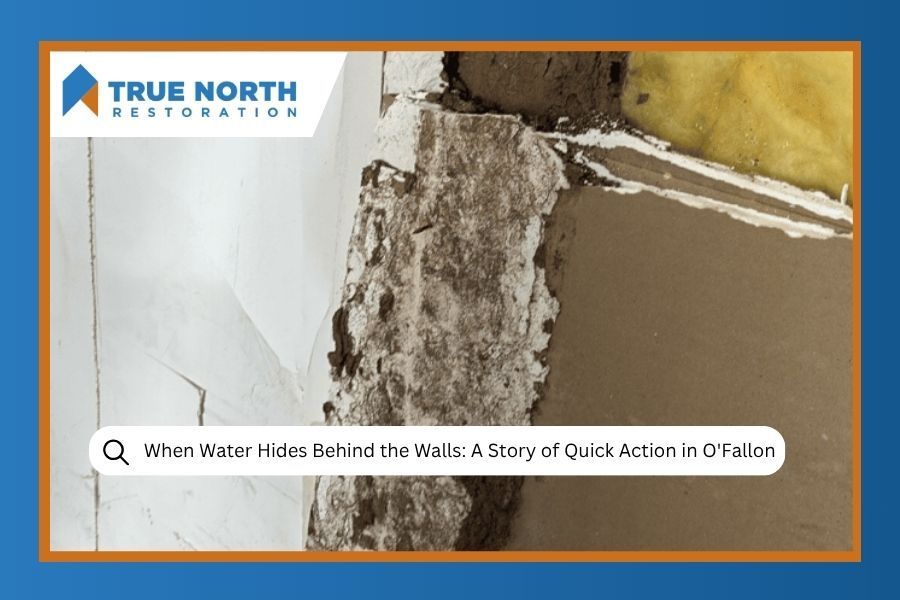
When Water Hides Behind the Walls: A Story of Quick Action in O’Fallon
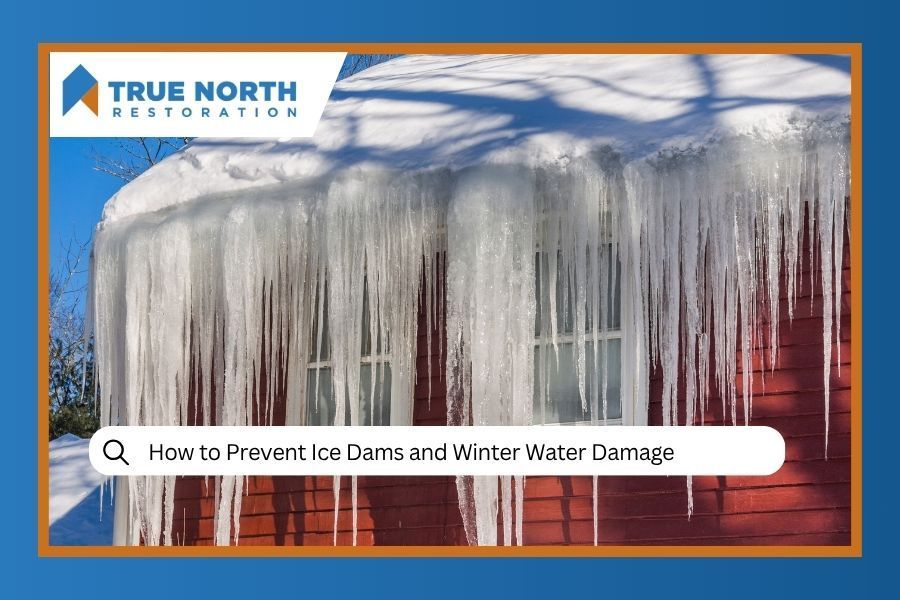
How to Prevent Ice Dams and Winter Water Damage

Winter Pipe Prevention Checklist for St. Charles County Homeowners

From Mess to Success: How We Restored a Saint Charles Home After Devastating Sewage Backup

How to Spot Water Damage During Home Buying in St. Charles County
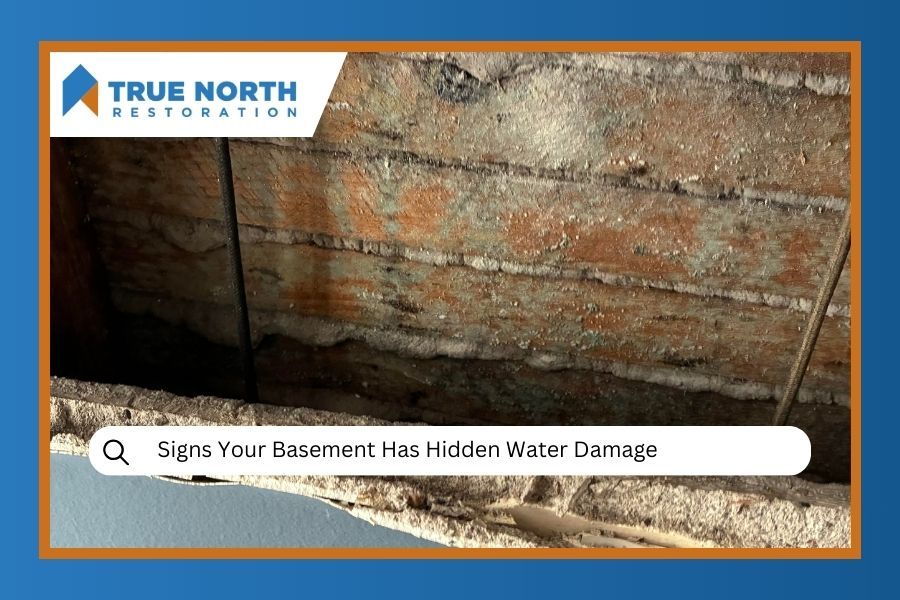
Signs Your Basement Has Hidden Water Damage
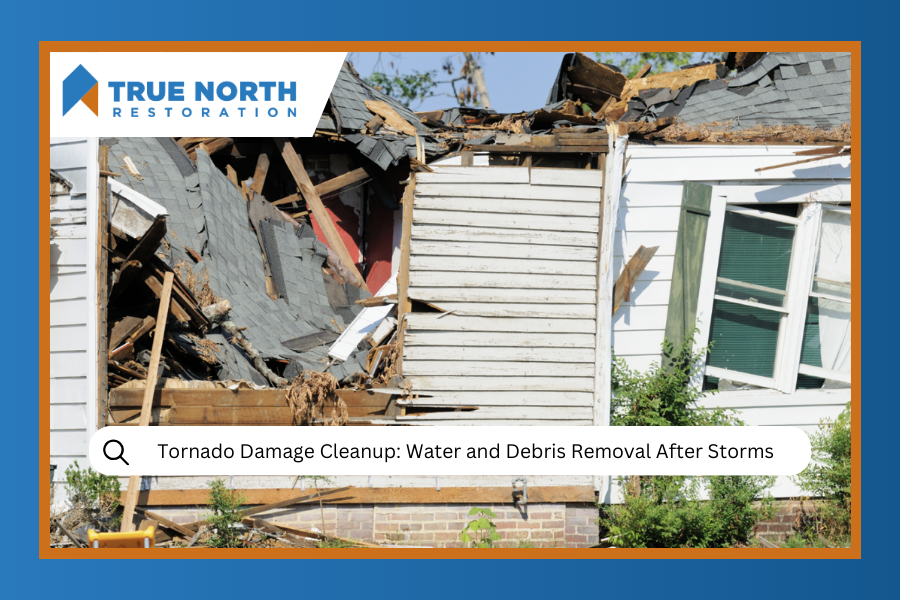
After the Storm: Your Complete Guide to Tornado Damage Cleanup in St. Charles County & West County
Storm Drain Backup Prevention for West County Neighborhoods
7 Emergency Steps You Can Take to Stop Water Damage in Your Chesterfield Home