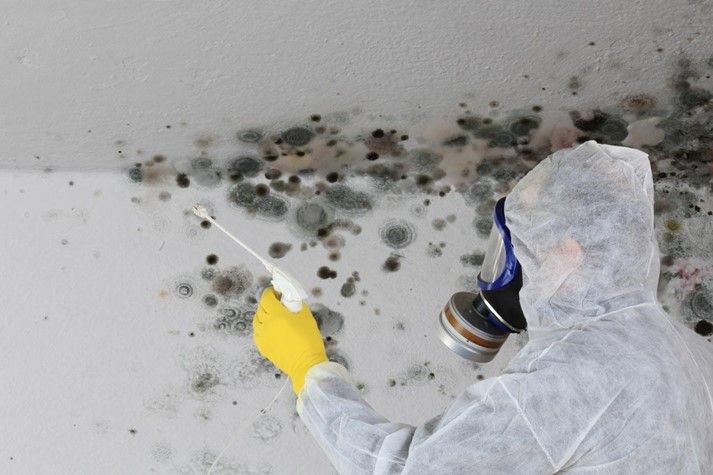
When water enters your home, the damage can feel immediate and overwhelming. Whether it comes from heavy rain, a burst pipe, or an overflowing appliance, the first priority is stopping the spread. During this stressful time, many homeowners hear two terms used interchangeably: water mitigation and water restoration.
Understanding water mitigation vs. water restoration is important because each plays a distinct role in protecting and repairing your property. While they are closely connected, they are not the same service.
What Is Water Mitigation?
To understand water mitigation vs. water restoration, it helps to start with the first step.
What is water mitigation? Water mitigation focuses on preventing further damage after water intrusion occurs. The goal is stabilization. This phase begins as soon as possible after water is discovered.
Water mitigation typically includes:
- Stopping the source of water if it is ongoing
- Extracting standing water
- Removing saturated materials when necessary
- Drying and dehumidifying affected areas
- Monitoring moisture levels to prevent secondary damage
Mitigation is about control. It limits structural damage, reduces the risk of mold growth, and prepares the space for repairs. Without proper mitigation, water can continue spreading into walls, flooring, and insulation long after the initial incident.
What Is Water Restoration?
While mitigation stabilizes the situation, restoration focuses on rebuilding and returning the property to its pre-loss condition.
The water restoration process may involve repairing drywall, replacing flooring, repainting walls, reinstalling cabinetry, and addressing any structural components affected by water. Restoration begins after moisture levels have been reduced to safe standards.
In simple terms, mitigation stops the damage from getting worse. Restoration repairs what was damaged.
Understanding water mitigation vs. water restoration helps homeowners know what to expect at each stage of recovery.
Why the Order Matters
One of the most common misconceptions is that restoration can begin immediately. However, starting repairs before the area is fully dried can trap moisture inside walls or beneath flooring.
If materials are sealed up too soon, hidden dampness can lead to long-term structural issues or mold growth. This is why professional teams prioritize mitigation before moving into the water restoration process. Proper sequencing protects both your home and your investment in repairs.
Breaking Down the Water Restoration Process
The water restoration process typically follows mitigation and includes several structured steps. First, technicians assess the extent of the damage. This includes evaluating structural materials, finishes, and personal property.
Next comes demolition, if necessary. Severely damaged materials that cannot be salvaged are removed. After that, reconstruction begins. This may include drywall replacement, flooring installation, painting, trim work, and restoring affected rooms to their original condition
Each project is different. A small leak in one room will have a much shorter repair scope than widespread flooding affecting multiple levels of a home.
Restoration Timeline Expectations
Restoration timeline expectations vary based on the severity of the damage. Minor incidents may take a few days for mitigation and a week or two for repairs. Larger losses involving structural materials can take several weeks or longer.
Factors that influence restoration timeline expectations include:
- The volume of water involved
- How long the water was present
- The types of materials affected
- Drying time required to reach safe moisture levels
- Availability of replacement materials
Clear communication during each phase helps homeowners understand what is happening and why certain steps take time.
Taking Action Quickly Matters
Water damage rarely improves on its own. The longer moisture remains, the more extensive the damage can become. Quick response reduces structural deterioration, minimizes mold risk, and shortens overall restoration timeline expectations.
If you are unsure which stage your home is in, it is better to seek a professional assessment rather than guessing. Proper evaluation ensures that both mitigation and restoration are handled correctly from the start.
Professional Water Mitigation and Restoration Services on the Big Island
If your home has experienced water damage, True North Restoration of Hawaii provides professional water mitigation and water restoration services throughout Kailua-Kona, Waimea, Waikoloa, and surrounding areas on the Big Island. Our team responds quickly to stabilize your property, remove excess moisture, and complete the full water restoration process with care and precision. Contact True North Restoration of Hawaii today to schedule service and protect your home from further damage.